
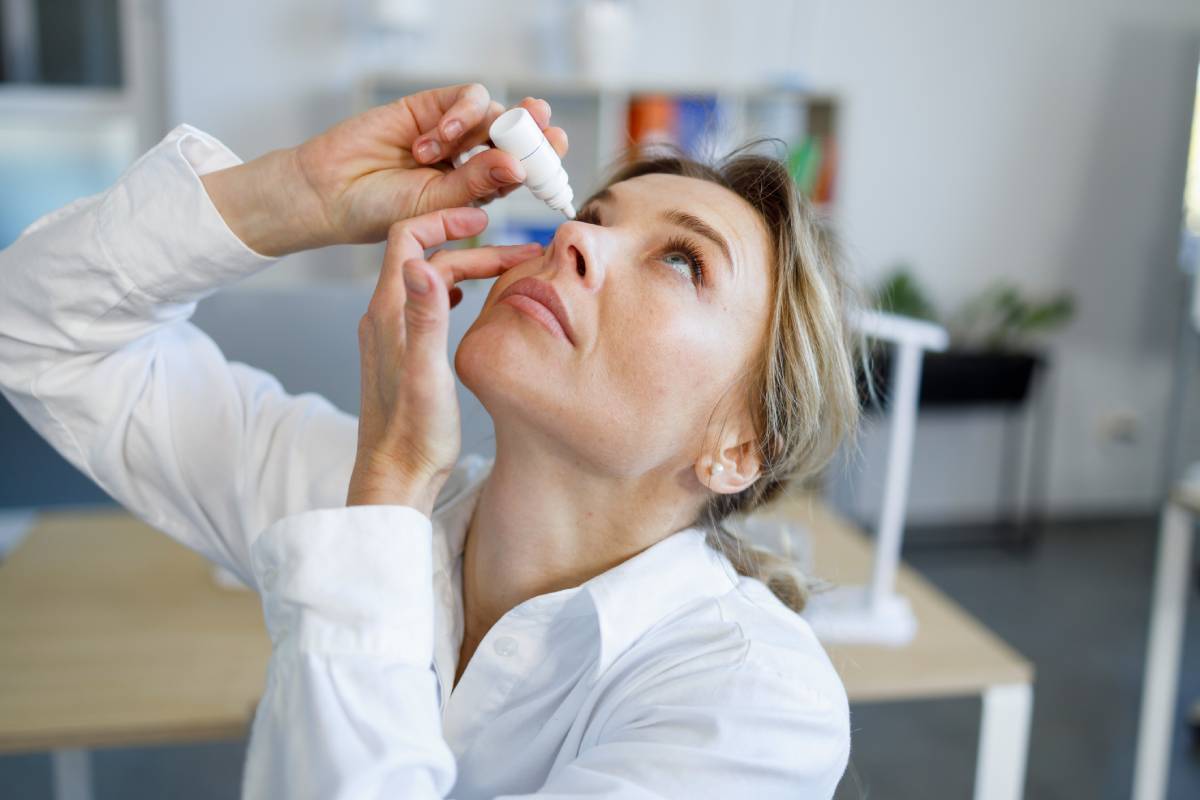
Although many who suffer from dry eyes experience it as a temporary nuisance, others develop a chronic condition. With a chronic eye condition and frequent flare-ups, individuals may experience an array of symptoms, including gritty, irritated, and dry eyes.
Dry eyes can be more than just irritating. In fact, chronic dry eye can lead to a range of severe symptoms, including blurry vision and corneal damage. Additionally, dry eyes can be a symptom of more severe conditions, including a vitamin A deficiency, Sjogren syndrome, or connective tissue disorders such as thyroid disease or lupus.
When Should You Worry About Dry Eyes?
When eyes are not adequately lubricated, several issues can occur. Not only can a disease cause dry eyes, but inflammation or dysfunction of the lacrimal gland can as well.
Chronic or severe dry eye may also occur when conditions such as rheumatoid arthritis attack the tear glands. Symptoms of dry eye may persist due to medication, medical conditions, or environmental factors such as cigarette smoke.
The Causes of Dry Eye
There are many causes of dry eyes. Some of the reasons why people develop dry eyes include:
- Age
- Wearing contact lenses for long periods of time
- Hormonal imbalances
- Environmental factors
- Blepharitis or meibomian gland dysfunction
- Medications
- Medical conditions
- Surgery
Although the causes of dry eyes can vary, some are more serious. While your vision can deteriorate over time as you age, creating dry eye symptoms, certain medications can also cause dry eye.
Complications of Untreated Dry Eye
If left untreated, dry eyes can worsen, leading to soreness, blurriness, or even an infection. Those who leave dry eyes untreated may suffer from the following complications:
- Damage to the cornea
- Irritation
- Eye infections
- Feeling as if there is something in your eye
- Excessive watering
- Burning
- Blurry vision
- Itching
These symptoms can lead to serious complications that may affect your future eye health.
Risk Factors for Dry Eye
Risk factors for dry eye, as stated by the National Library of Medicine, include:
- Multiple sclerosis
- Diabetes
- Hereditary diseases
- Nerve damage
- Gut dysbiosis
Behavioral factors consist of drinking alcohol, selecting unhealthy meal options, sleeping disruptions, and smoking. Environmental factors include the following:
- Chemical fumes
- Strong winds
- Pollution
- Cigarette smoke
- Low humidity
- High temperatures
Any of the above can contribute to greater eye damage, including instances of severe dry eye.
The Two Main Types of Dry Eye Syndrome
There are two main types of dry eye syndrome. The first is aqueous tear-deficient dry eye, which occurs when the eyes produce insufficient tears. While age can be a factor, this type of syndrome can see inflammation rise due to dietary factors and autoimmune disorders.
The second type of dry eye syndrome is known as evaporative dry eye. This is the most common type of dry eye and occurs due to poor-quality oil production, which allows tears to evaporate too quickly from the surface of the eye.
In this case, the oil glands become inflamed, secreting a thick paste rather than clear tears. Without being moist and lubricated, the eye’s surface becomes rough and dry, causing irritating symptoms such as a gritty feeling in the eyes.
Find Treatment for Dry Eyes
At Oasis Eye, our top eyelid surgeon, Dr. Vivian Schiedler, has years of experience treating a wide range of eye conditions, including dry eyes.
Our highly skilled team members can provide you with information on your treatment options to help relieve dry eye-related symptoms. Contact Oasis Eye today to learn more about our treatment plans and speak with client services.